Sg house 2018
都市の中に、沖縄の自然を取り戻す住まい
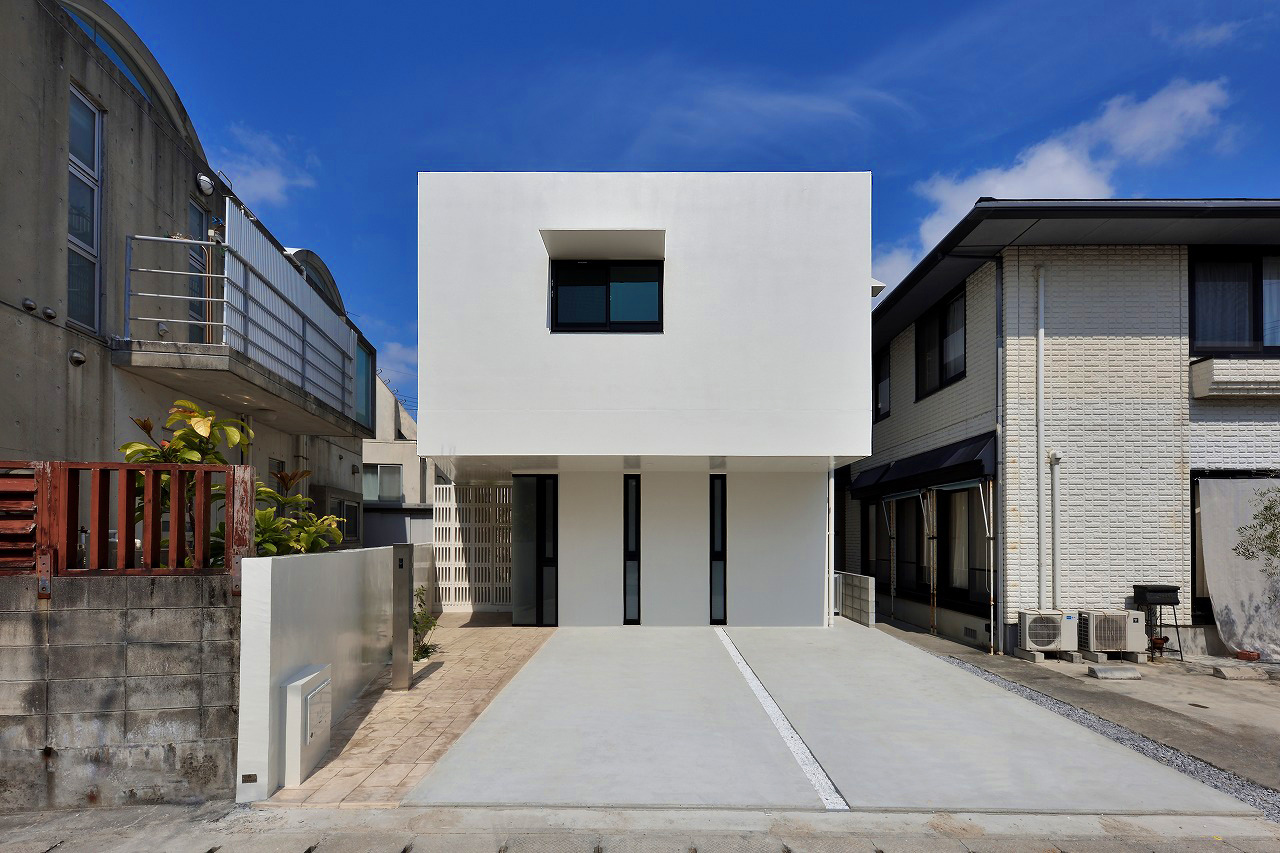
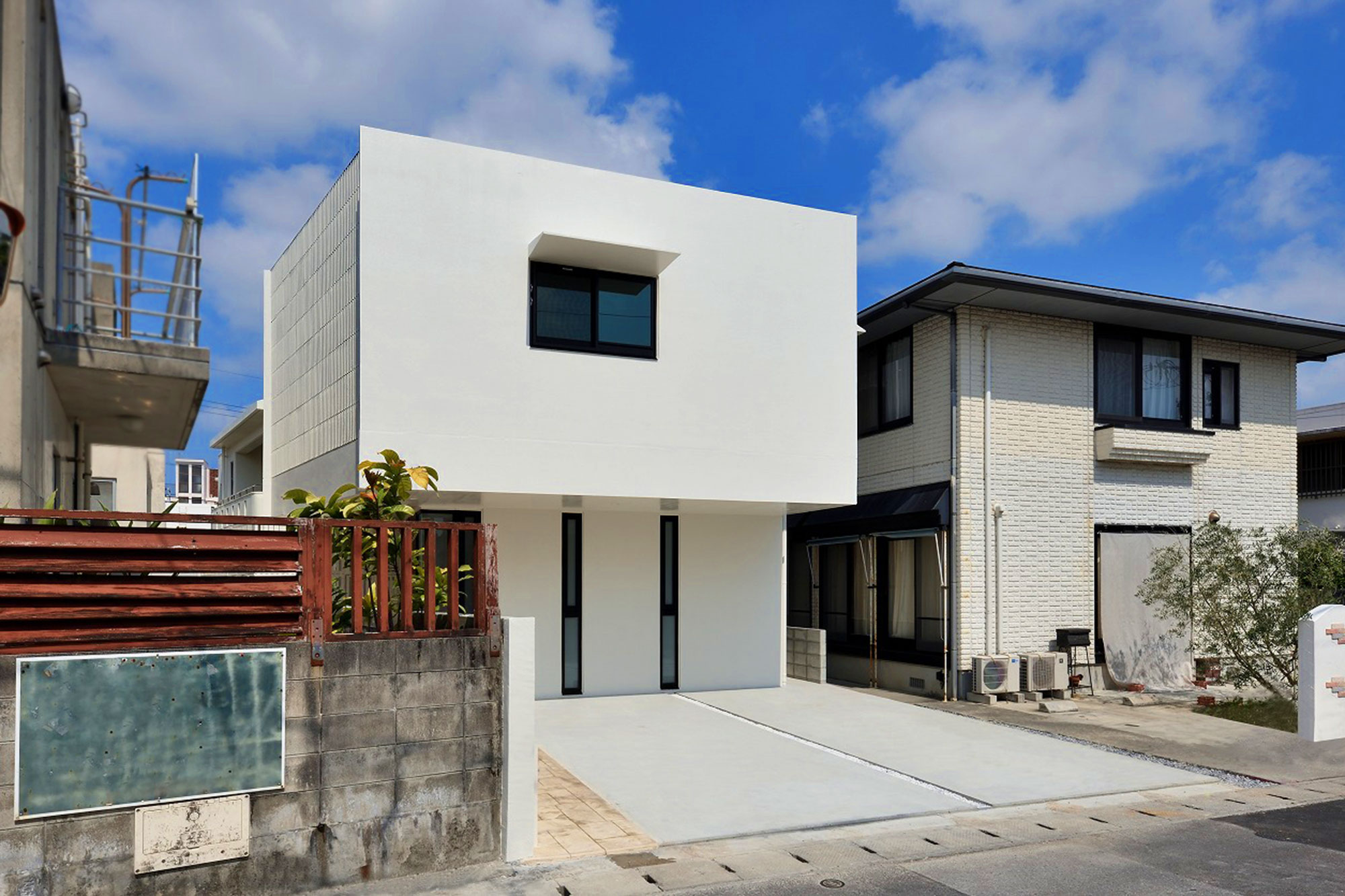
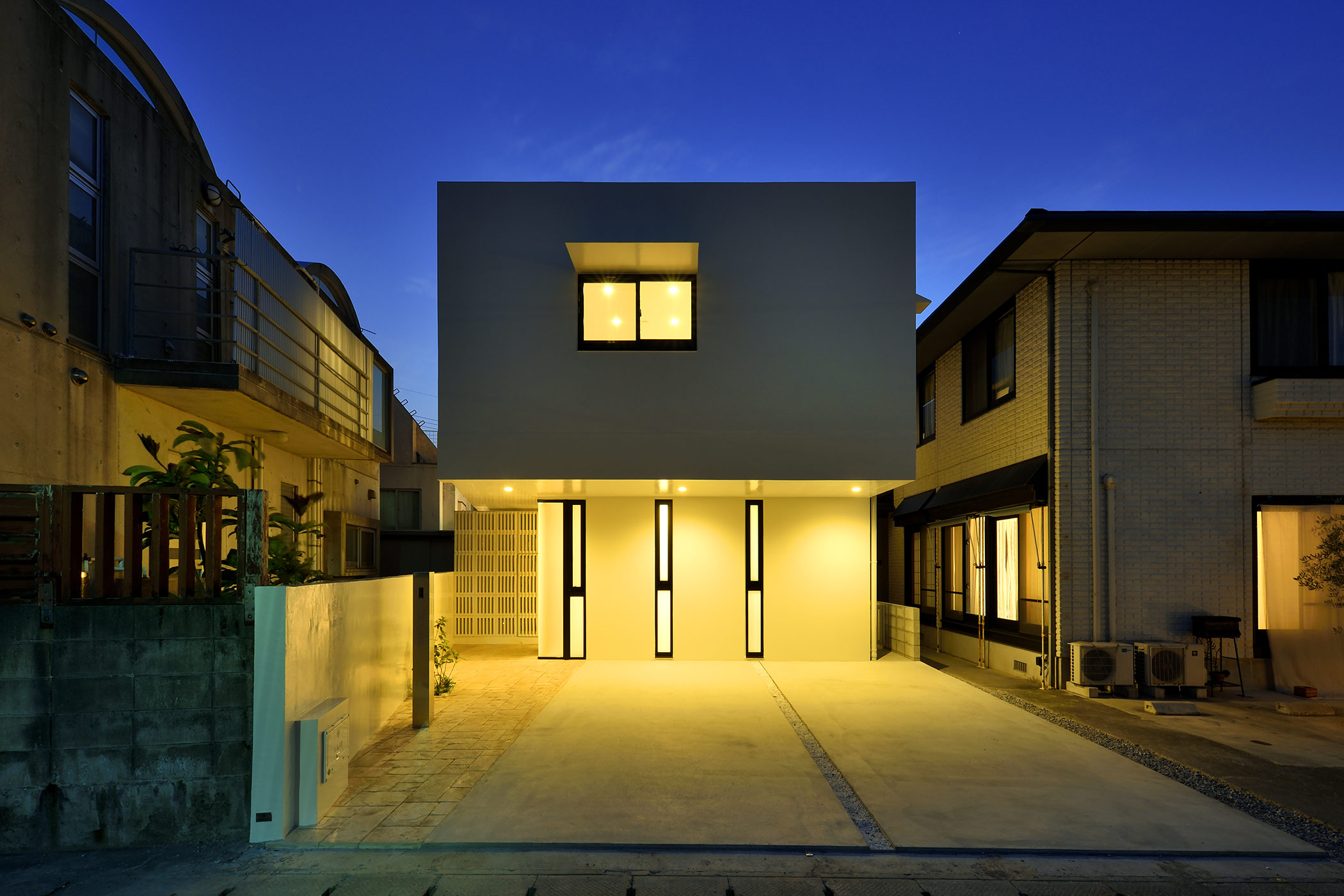
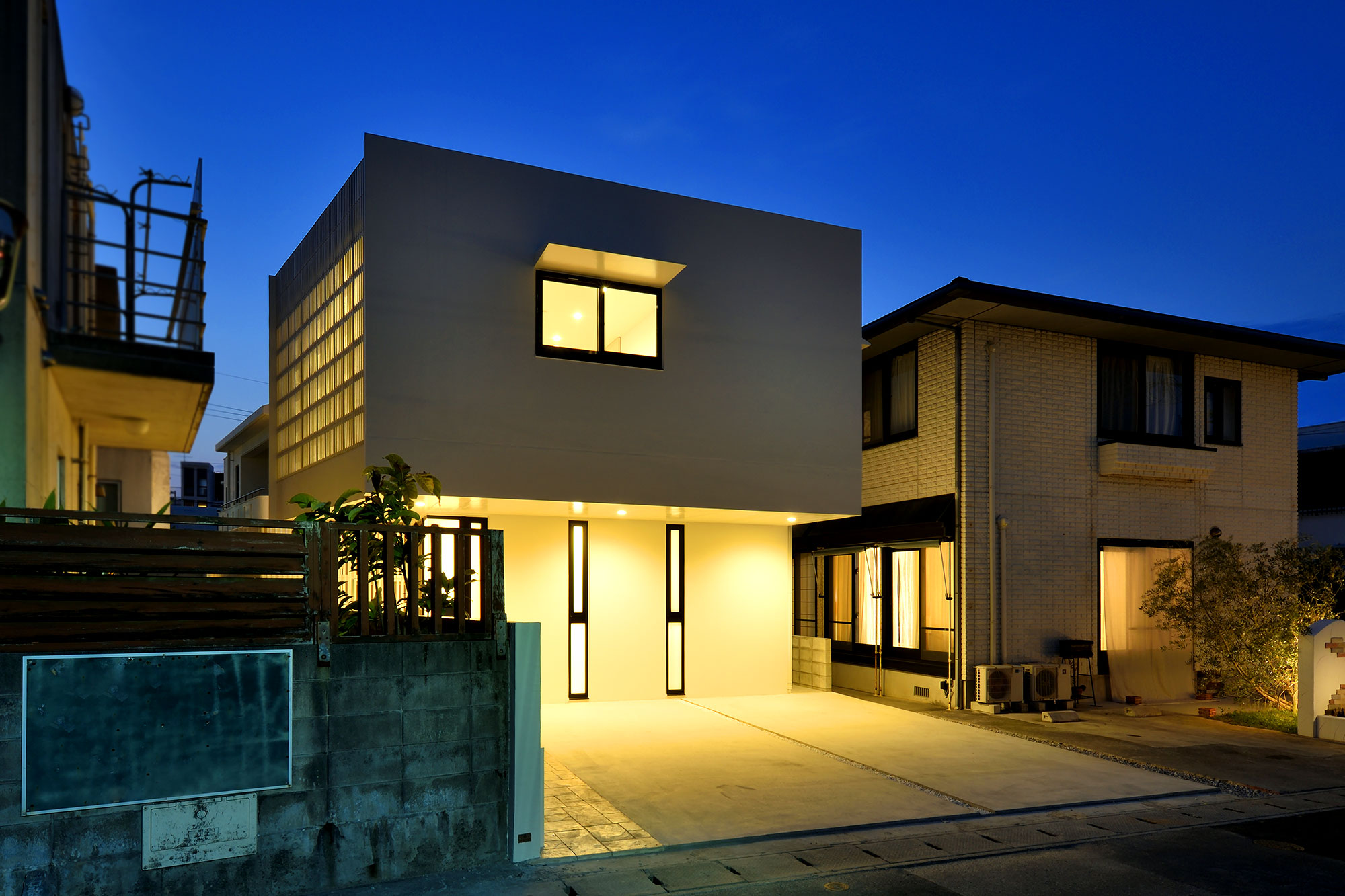
城下町の面影を残す、坂の多い密集した住宅地に建つ住まいです。
計画道路によって敷地は削られ、限られた条件の中での計画となりました。
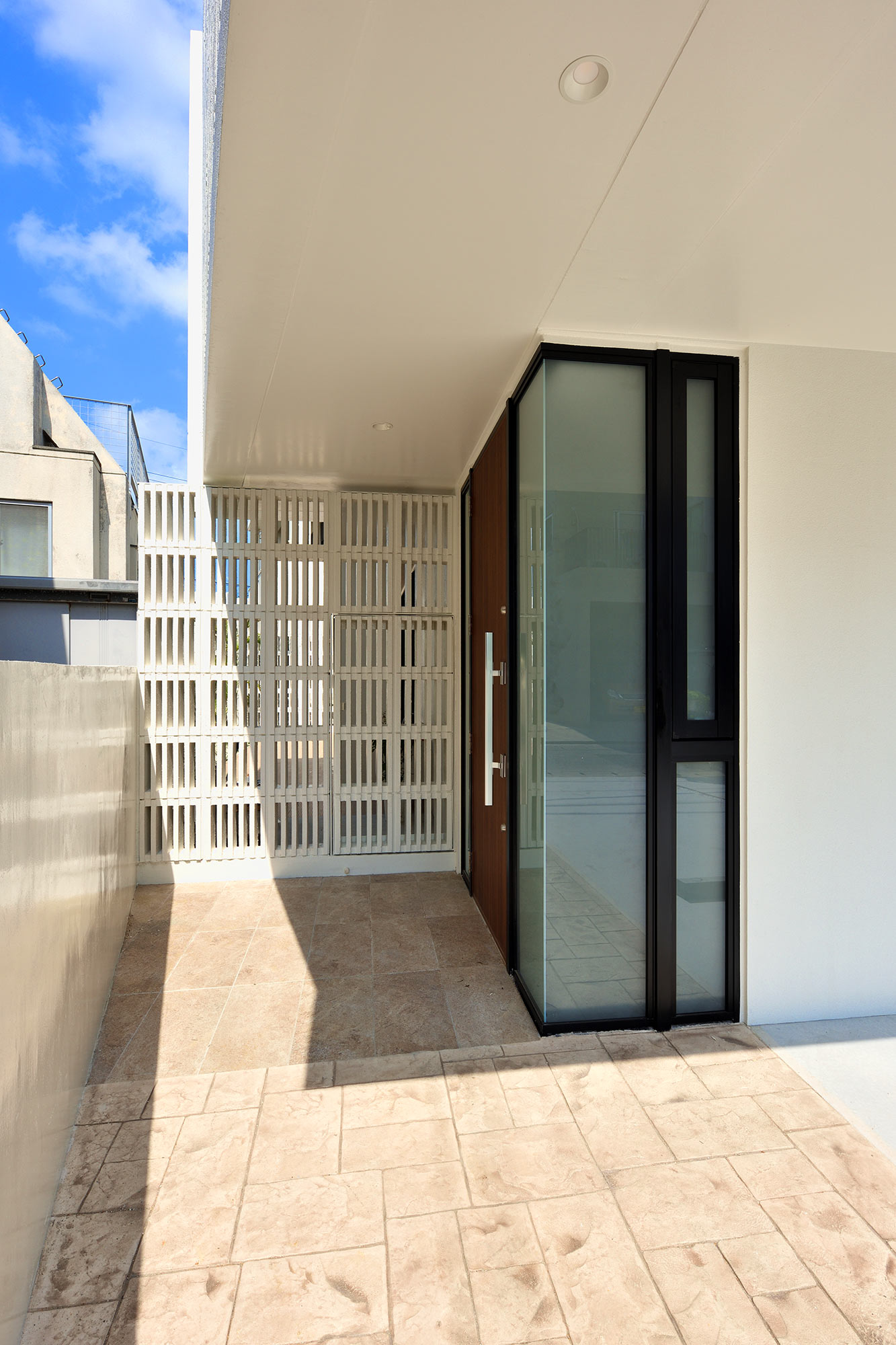
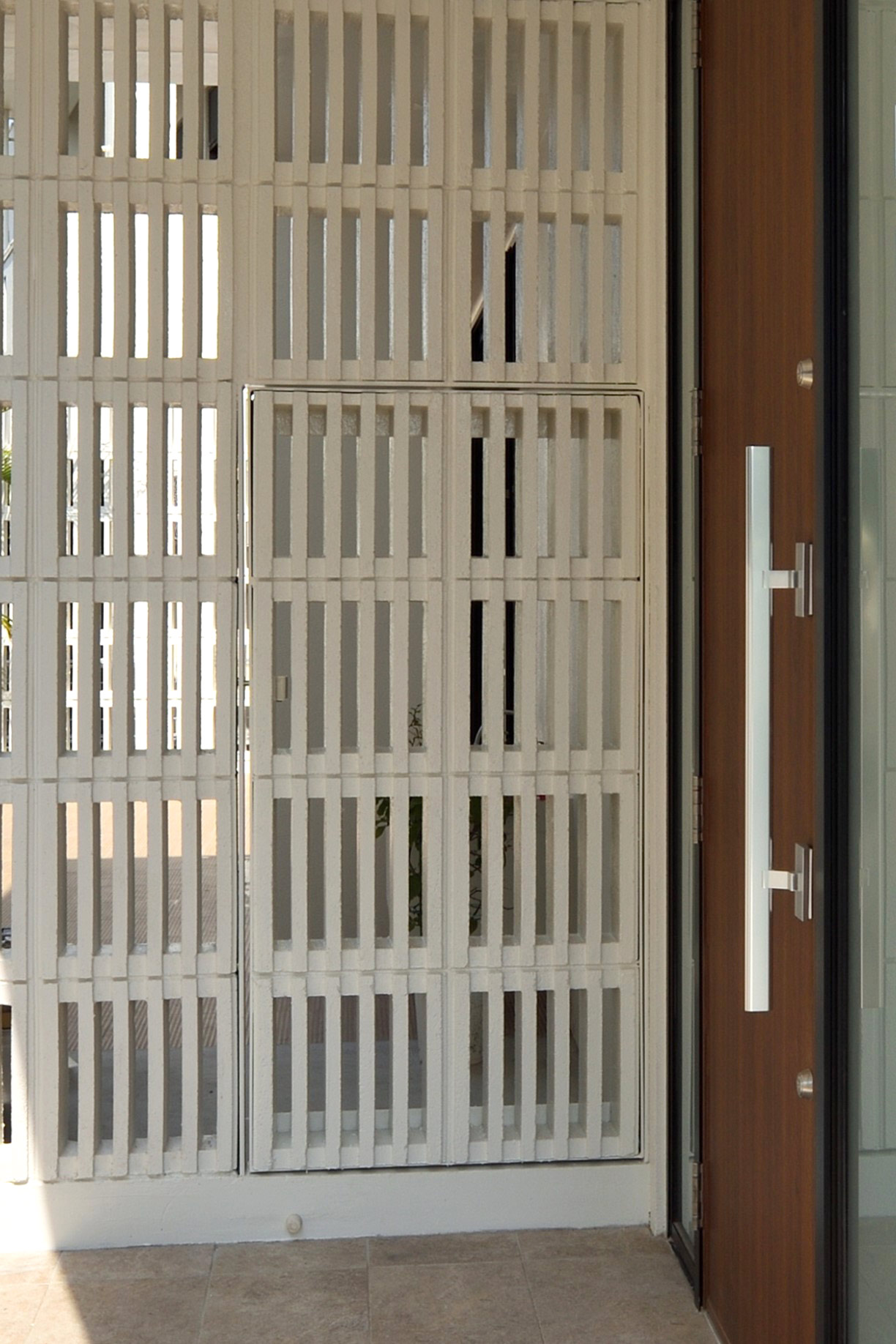
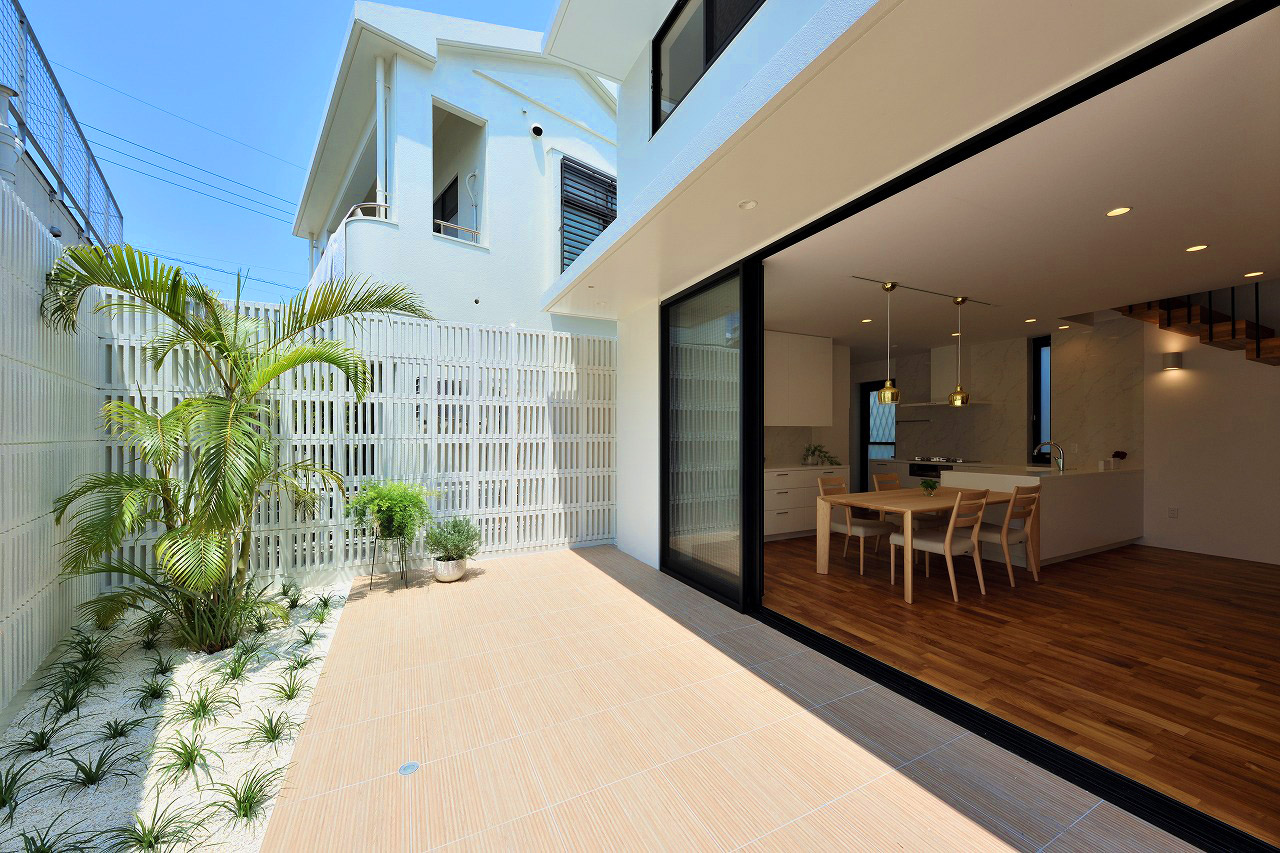
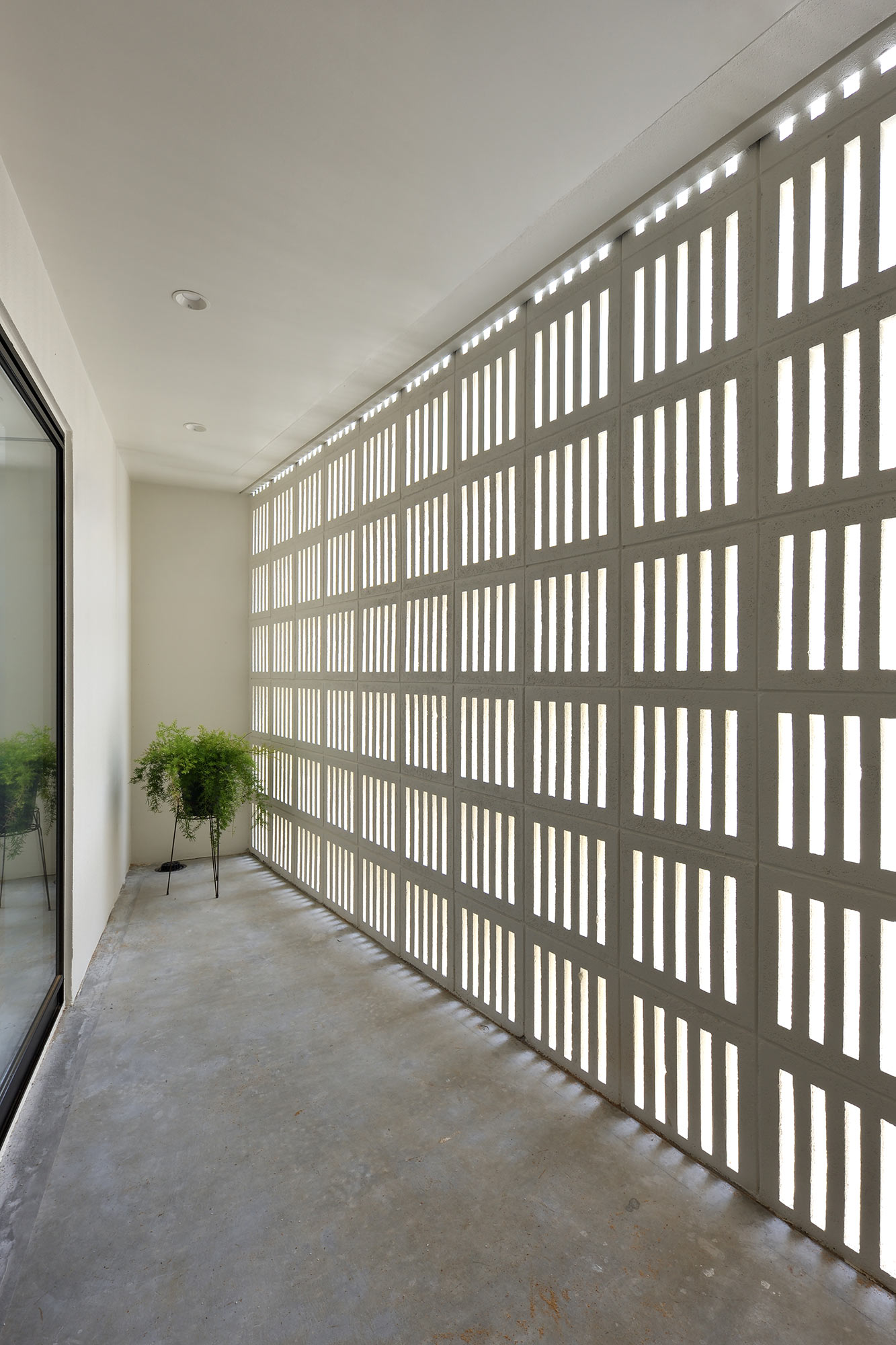
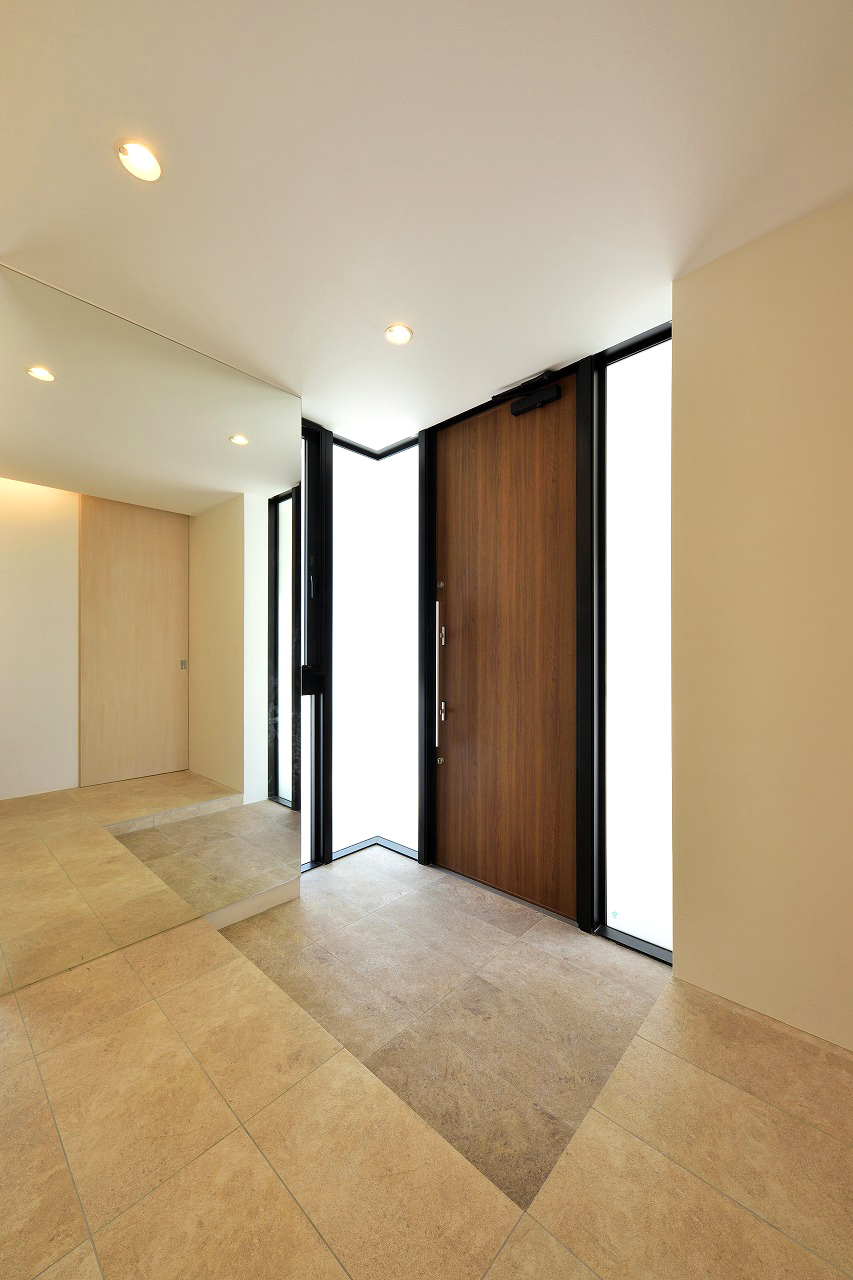
外へ大きく開くことが難しい環境の中で、敷地の東南に中庭を据え、光や風、外の気配を内部へと静かに導いています。 花ブロックのドアを抜け、玄関アプローチから直接中庭へと至る動線は、外部と内部をやわらかくつなぎ、沖縄の住まいに息づく関係性を現代へと引き継ぐものです。
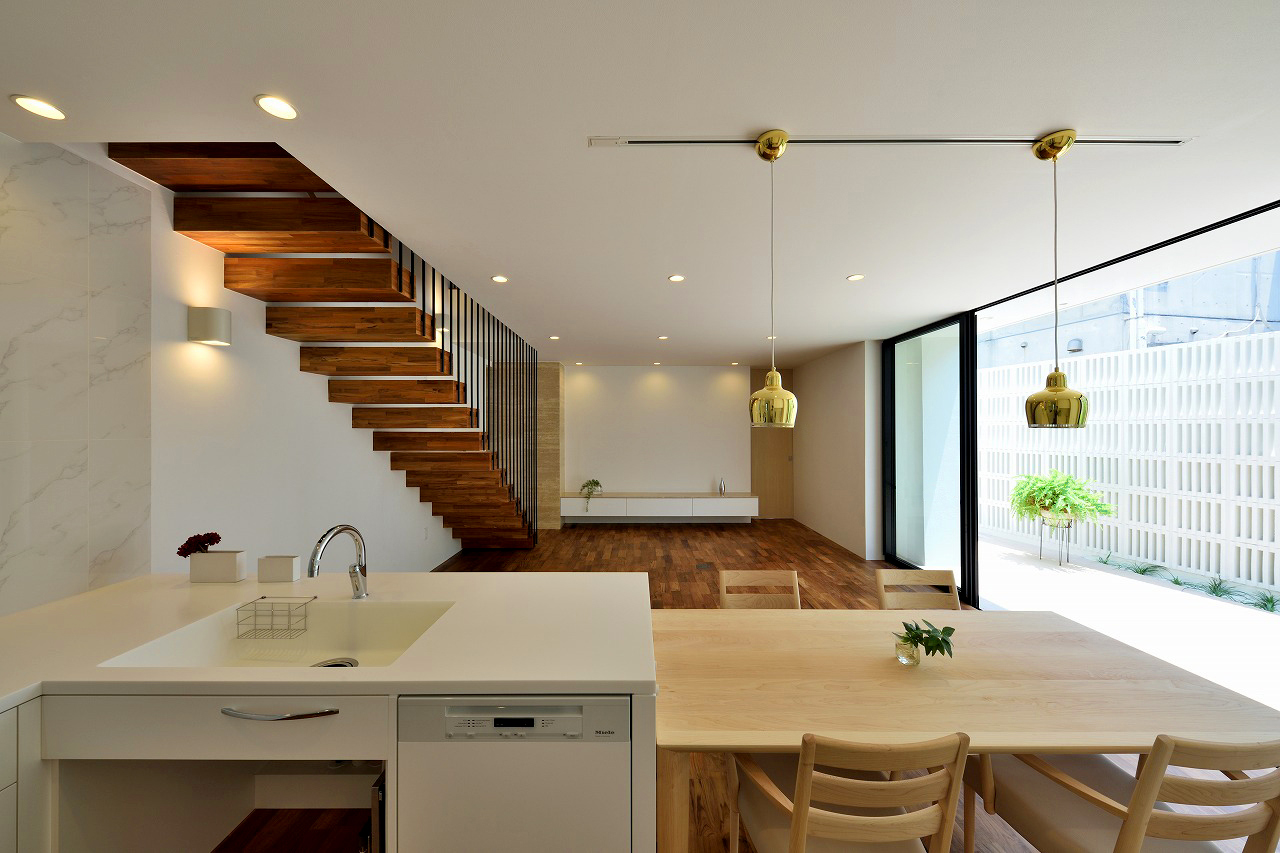
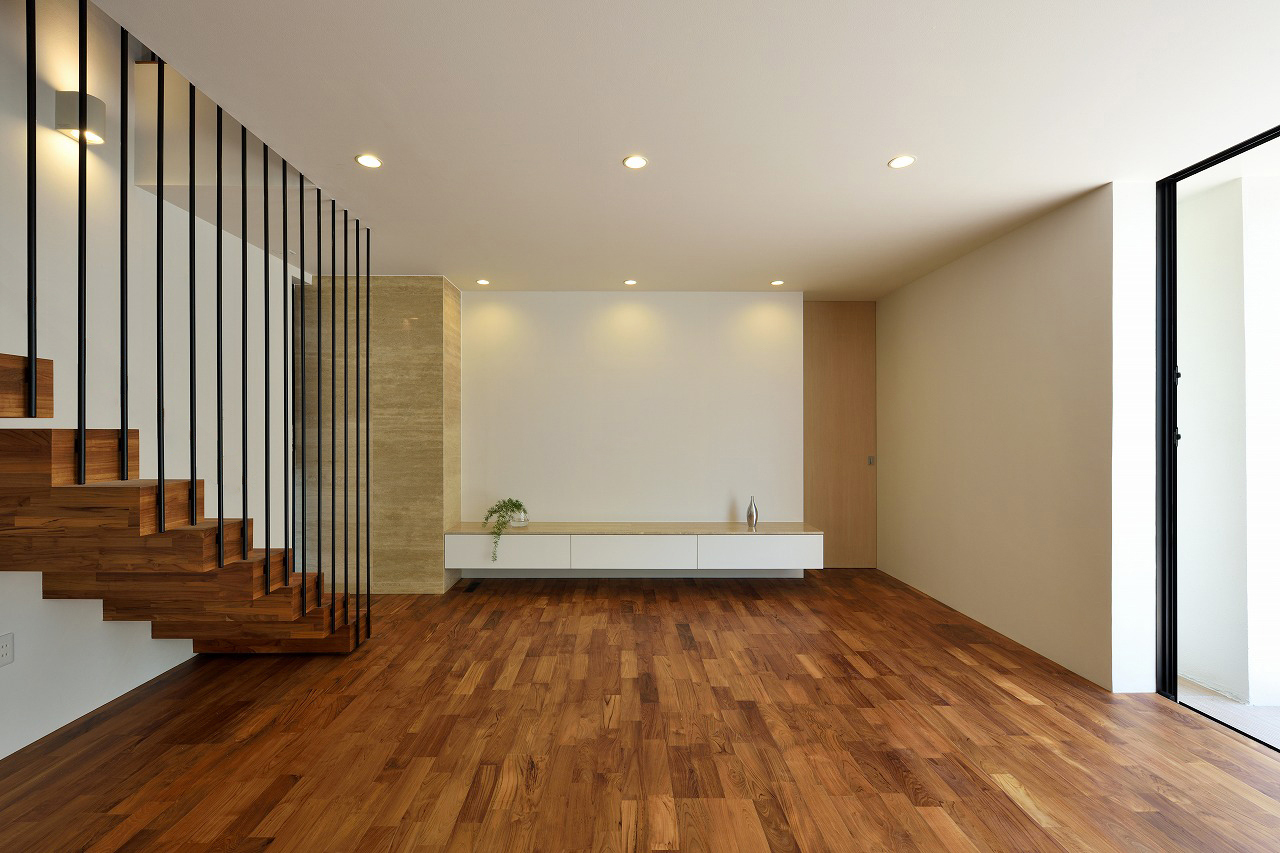
高さ制限や周辺環境を丁寧に読み解きながら、必要な機能と空間の伸びやかさを両立させ、限られた条件の中でも暮らしの本質を見失わない構成としています。
住まいは、本来、自然の一部として在るもの。都市の中にありながら、自然とともに暮らすための住まいです。
A home that quietly restores Okinawa’s nature within the city.
A residence located in a dense hillside neighborhood that retains the memory of a historic castle town. The site was partially reduced by a planned road, resulting in a highly constrained condition.
Within an environment where opening outward is limited, a courtyard is in the southeast of the site, quietly drawing in light, air, and the presence of the outside. Passing through a flower-block door, the approach leads directly into the courtyard, gently connecting exterior and interior while reinterpreting a spatial relationship rooted in Okinawan dwellings.
Carefully responding to height restrictions and the surrounding context, the design reconciles functional requirements with a sense of spatial openness, without losing sight of the essence of dwelling under constrained conditions.
A dwelling, in its essence, belongs to nature. Within the city, the house enables a quiet life in close relationship with nature.
Sg house 2018
都市の中に、
沖縄の自然を取り戻す住まい
城下町の面影を残す、坂の多い密集した住宅地に建つ住まいです。
計画道路によって敷地は削られ、限られた条件の中での計画となりました。
A home that quietly restores Okinawa’s nature within the city.
A residence located in a dense hillside neighborhood that retains the memory of a historic castle town. The site was partially reduced by a planned road, resulting in a highly constrained condition.